Is Samsung Galaxy S26 Ultra a Copy of iPhone 17 Pro Max? Truth Behind the Leaks
Every year, when Samsung and Apple prepare to launch their next flagship smartphones, one question inevitably dominates tech discussions: “Who copied whom?” With the buzz around the Samsung Galaxy S26 Ultra and the Apple iPhone 17 Pro Max, the debate has returned—stronger than ever.
Many leaks, renders, and early reports suggest that the Galaxy S26 Ultra looks surprisingly similar to Apple’s latest iPhone flagship. Rounded corners, familiar camera layouts, premium materials—these similarities have led some users to claim that Samsung is simply copying Apple’s design language. But is that really the case?
In this detailed, SEO-friendly deep dive, we’ll break down design, features, performance, cameras, software, and philosophy to answer the big question honestly:
👉 Is the Samsung Galaxy S26 Ultra a copy of the iPhone 17 Pro Max, or is this just the natural evolution of modern smartphones?
Understanding the Flagships: What Do They Represent?
Before jumping to conclusions, it’s important to understand what these two smartphones stand for.
Samsung Galaxy S26 Ultra: The Android Powerhouse
The Galaxy S Ultra series has always represented Samsung’s “no-compromise” Android flagship—a device that pushes boundaries in camera technology, display quality, multitasking, and productivity. From massive sensors to the iconic S Pen, Samsung’s Ultra lineup has its own identity.
iPhone 17 Pro Max: Apple’s Premium Statement
The iPhone Pro Max models are Apple’s vision of refined performance and ecosystem integration. Instead of chasing raw specs, Apple focuses on smooth optimization, long-term software support, and seamless hardware–software synergy.
At their core, these phones are built with very different philosophies, even if they appear similar on the surface.
Design Similarities: Copying or Converging?
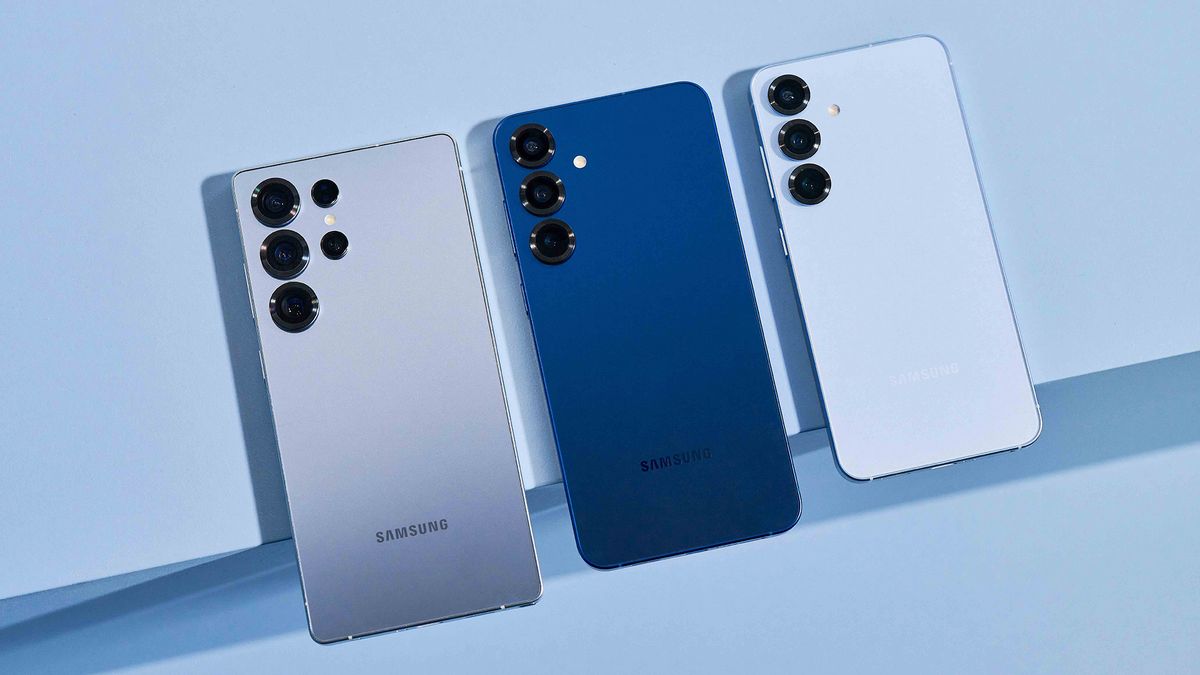
Why Do They Look Alike?
Recent leaks suggest that the Galaxy S26 Ultra may feature:
These traits closely resemble what we already see on the Apple iPhone 17 Pro Max, which has refined this design language over the years.
But here’s the truth:
📌 Rounded corners and flat frames are now industry standards, not Apple-exclusive features.
Modern smartphones prioritize:
Better ergonomics
Comfortable grip
Durability
Symmetrical aesthetics
Almost every flagship—from Xiaomi to OnePlus—follows this design direction today.
Design Evolution ≠ Copying
Samsung itself has a long history of design changes:
Curved edges → flat displays
Glossy backs → matte finishes
Sharp corners → rounded frames
This isn’t copying—it’s adapting to user feedback and global trends.
Camera Setup: Similar Look, Very Different Approach
At first glance, both phones feature large, prominent camera modules. This often fuels the “copy” narrative. But let’s go deeper.
Samsung Galaxy S26 Ultra Camera Philosophy
Massive 200MP primary sensor
Advanced periscope zoom
Aggressive hardware innovation
AI-powered photography and zoom
Samsung believes in hardware dominance—bigger sensors, higher megapixels, and extreme zoom capabilities.
iPhone 17 Pro Max Camera Philosophy
Apple focuses on computational photography, not megapixel numbers.
📌 Same number of lenses doesn’t mean same results.
The shooting style, processing, and output are completely different.
Performance & Hardware: Apples vs Android (Literally)
Performance comparisons are another area where confusion arises.
Samsung Galaxy S26 Ultra
Latest Snapdragon flagship chipset
High RAM options (up to 16GB)
Android multitasking powerhouse
Desktop-like features (Samsung DeX)
iPhone 17 Pro Max
Apple’s custom A-series processor
Exceptional single-core performance
Industry-leading efficiency
Deep integration with iOS apps
Apple wins in optimization, while Samsung dominates in flexibility and multitasking.
Neither phone copies the other here—they simply play to their strengths.
Software Experience: Where the Difference Is Crystal Clear
If design similarities confuse users, software quickly clears the air.
Samsung’s One UI (Android)
Apple’s iOS
📌 A copied phone would behave the same. These two don’t—at all.
The “Samsung Copies Apple” Narrative: Where Did It Come From?
This debate didn’t start with the S26 Ultra.
Historically:
Samsung removed the headphone jack after Apple
Apple adopted larger displays after Samsung
Both copied and learned from each other over time
In reality, competition drives convergence.
When something works:
Flat displays
Titanium frames
Centered camera modules
USB-C adoption
Everyone adopts it—not because of copying, but because consumers demand it.
Innovation Still Separates Them
Despite visual similarities, Samsung continues to offer features Apple doesn’t:
S Pen support
Reverse wireless charging
Advanced zoom capabilities
Deeper system-level customization
Meanwhile, Apple excels in:
These differences prove one thing clearly:
The Galaxy S26 Ultra is not an iPhone clone—it’s a Samsung flagship refined by market trends.
Final Verdict: Copy or Coincidence?
So, is the Samsung Galaxy S26 Ultra a copy of the iPhone 17 Pro Max?
❌ No, it’s not a copy.
✅ Yes, it follows global flagship design trends.
What we’re witnessing is design convergence, not imitation.
In 2026, flagship smartphones:
But under the hood, Samsung and Apple remain fundamentally different.
What This Means for Buyers
If you’re choosing between these two:
Pick Samsung Galaxy S26 Ultra if you love customization, Android freedom, and camera versatility.
Choose iPhone 17 Pro Max if you value stability, long-term updates, and Apple’s ecosystem.
Both are excellent. Neither is copying.
They’re simply competing at the highest level—and that’s good news for consumers.


Comments
Post a Comment